Milorganite
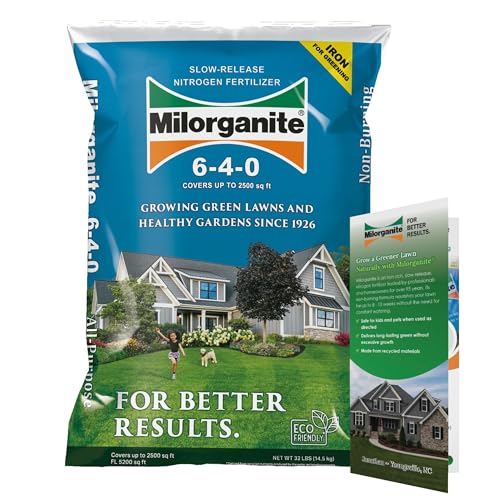
Milorganite Slow-Release Nitrogen Fertilizer
Available Sizes
Last updated:
Disclosure: This article contains affiliate links. If you buy through our links, we may earn a commission at no extra cost to you. All opinions are our own. Learn more.
Quick Stats
- 6-4-0
- Organic
- 2,500 sq ft
- 8 lbs per 1,000 sq ft
- Yes
- Yes
Pros & Cons
What We Like
- Very forgiving slow-release feeding
- Organic program fit for homeowners avoiding synthetic fertilizer
- Low burn risk compared with high-nitrogen products
- Useful for established lawns and cautious overseeding plans
Watch Out For
- Not a true high-phosphorus starter fertilizer
- Lower nutrient analysis means more product per 1,000 sq ft
- Organic odor can linger briefly after application
Best For
Cautious homeowners who want a gentle organic feeding pass or an established-lawn fertilizer that is hard to overdo.
The Owner-Style Take
Opinion
My read: Milorganite Slow-Release Nitrogen Fertilizer is not a universal recommendation. It earns its place when the use case is narrow and real: Cautious homeowners who want a gentle organic feeding pass or an established-lawn fertilizer that is hard to overdo.
The reason to keep it on the shortlist is Very forgiving slow-release feeding. The reason to slow down before buying is not a true high-phosphorus starter fertilizer. I would not treat the star rating as the decision; I would treat the yard, storage, maintenance tolerance, and five-year cost as the decision.
If you are deciding between this and The Andersons PGF Complete 16-4-8, start with the failure mode you are trying to avoid. Pick Milorganite Slow-Release Nitrogen Fertilizer when the notes below describe your lawn more closely; pick The Andersons PGF Complete 16-4-8 when its compromises sound easier to live with.
Pick It Over
- Pick Milorganite Slow-Release Nitrogen Fertilizer over The Andersons PGF Complete 16-4-8 when its fit matches your yard better than the higher-rated alternative.
- Pick Milorganite Slow-Release Nitrogen Fertilizer over The Andersons Starter Fertilizer with Humic DG when its fit matches your yard better than the higher-rated alternative.
- Pick Milorganite Slow-Release Nitrogen Fertilizer over Scotts Turf Builder Starter Food for New Grass when you want the stronger editorial score and can live with the tradeoffs called out below.
Skip If
- - Not a true high-phosphorus starter fertilizer
- - Lower nutrient analysis means more product per 1,000 sq ft
Five-Year Cost
If you use it once per season, a five-year buy is roughly $75-$125 before spreader rental, soil testing, or companion amendments.
Milorganite Slow-Release Nitrogen Fertilizer: Editorial Assessment
Milorganite is not a classic starter fertilizer, and that distinction matters. It is a slow-release organic fertilizer with a mild 6-4-0 analysis, which means it feeds gently and is very hard to burn when used as directed.
That makes it useful in two Lawn Report scenarios. First, it can be the safer fallback when a homeowner is nervous about synthetic fertilizer around new seed. Second, it fits established lawns that need a gentle maintenance feeding instead of a high-phosphorus starter.
It will not replace a true starter when phosphorus is low and root establishment is the priority. The tradeoff is speed: Milorganite is forgiving, but not fast. Use it when safety and soil-friendliness matter more than pushing the quickest possible establishment.
Purchase Options
Pairs Well With
 Grass SeedPick
Pennington
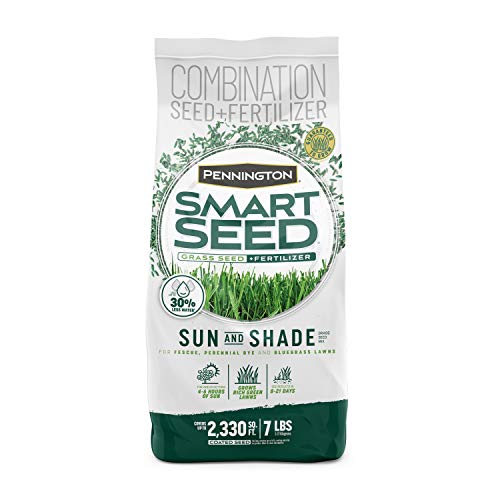
Pennington Smart Seed Sun & Shade
Budget-conscious homeowners in zones 3-8 with mixed sun/shade conditions who want reliable results without premium pricing.
Similar Products
 FertilizerPick
The Andersons
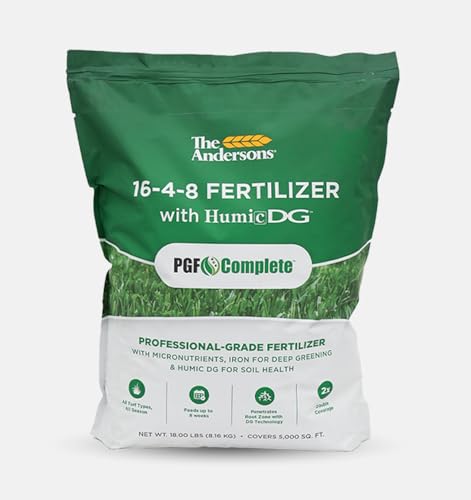
The Andersons PGF Complete 16-4-8
Established lawns that need an even maintenance feeding after the seed work is already done.
 Fertilizer
The Andersons
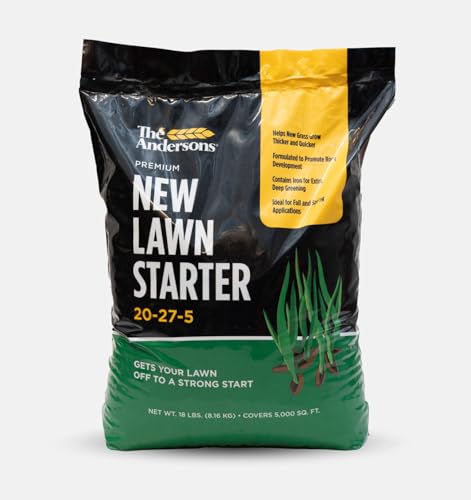
The Andersons Starter Fertilizer with Humic DG
Premium seed projects, full-lawn overseeding, and tougher soil where a better starter pass is worth the cost.
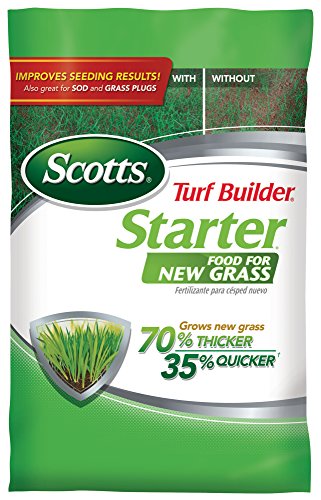 FertilizerPick
Homeowners seeding or overseeding who want the simplest reliable starter fertilizer.